
Case studies
Proof on real data
Two studies on the Chandon Field show what DIME super-resolution adds to seismic imaging and to inversion: thin-bed stratigraphy, confident faults and facies patterns the original data could not resolve.
One field, two workflows, real data
Chandon Field
Two studies, one field
Each study applies a DIME-powered product to the same field. Read the summary here, then ask for the full study as a PDF.
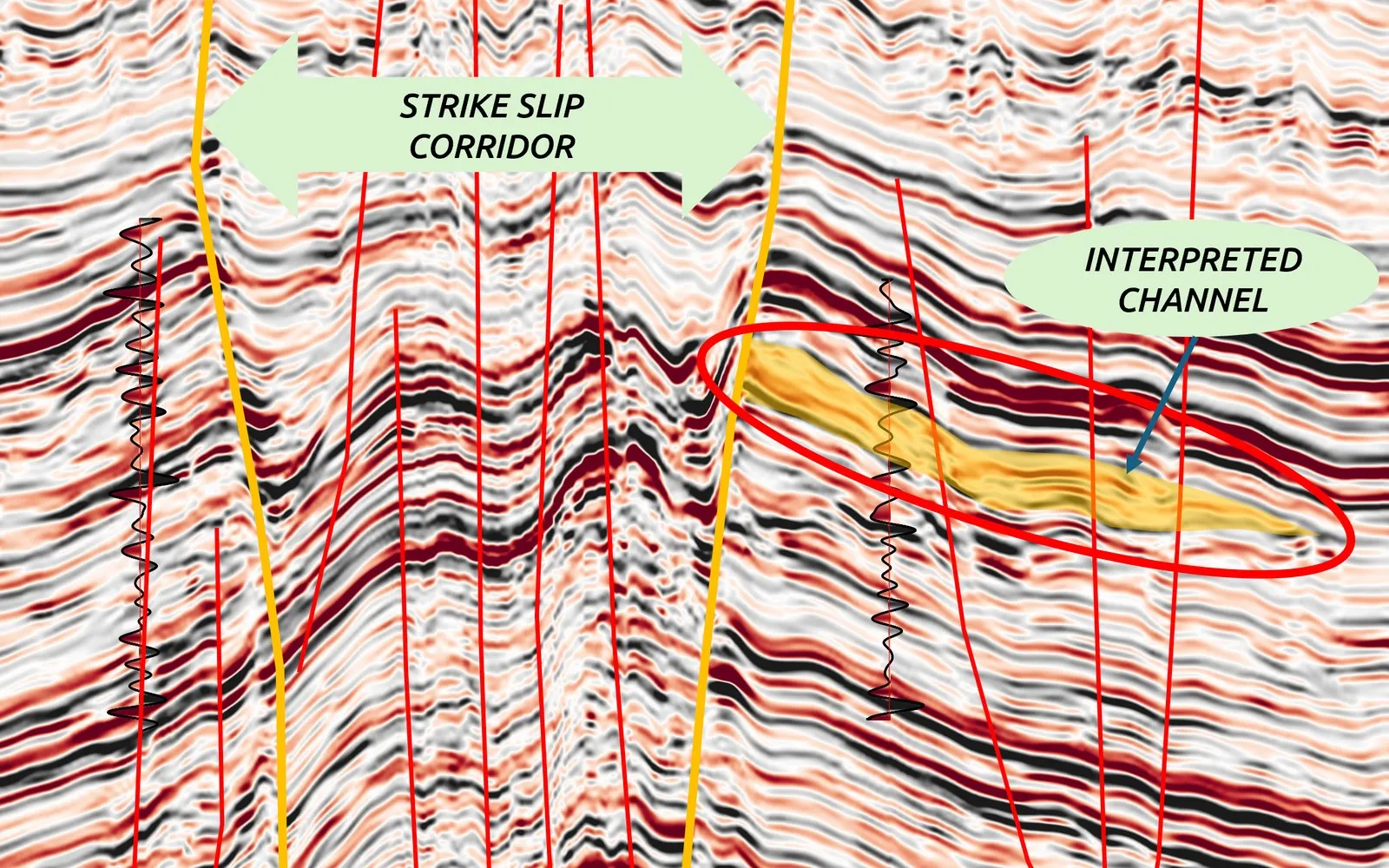 Storm 3.0, interpreted
- Chandon Field
- Seismic imaging
Super-resolution seismic imaging using deep learning
This Chandon Field case study shows how DIME-powered deep learning generates super-resolution seismic volumes, uncovering thin-bed stratigraphy and increasing information content by up to 5×.
 ProductStorm 3.0
- Chandon Field
- Seismic inversion
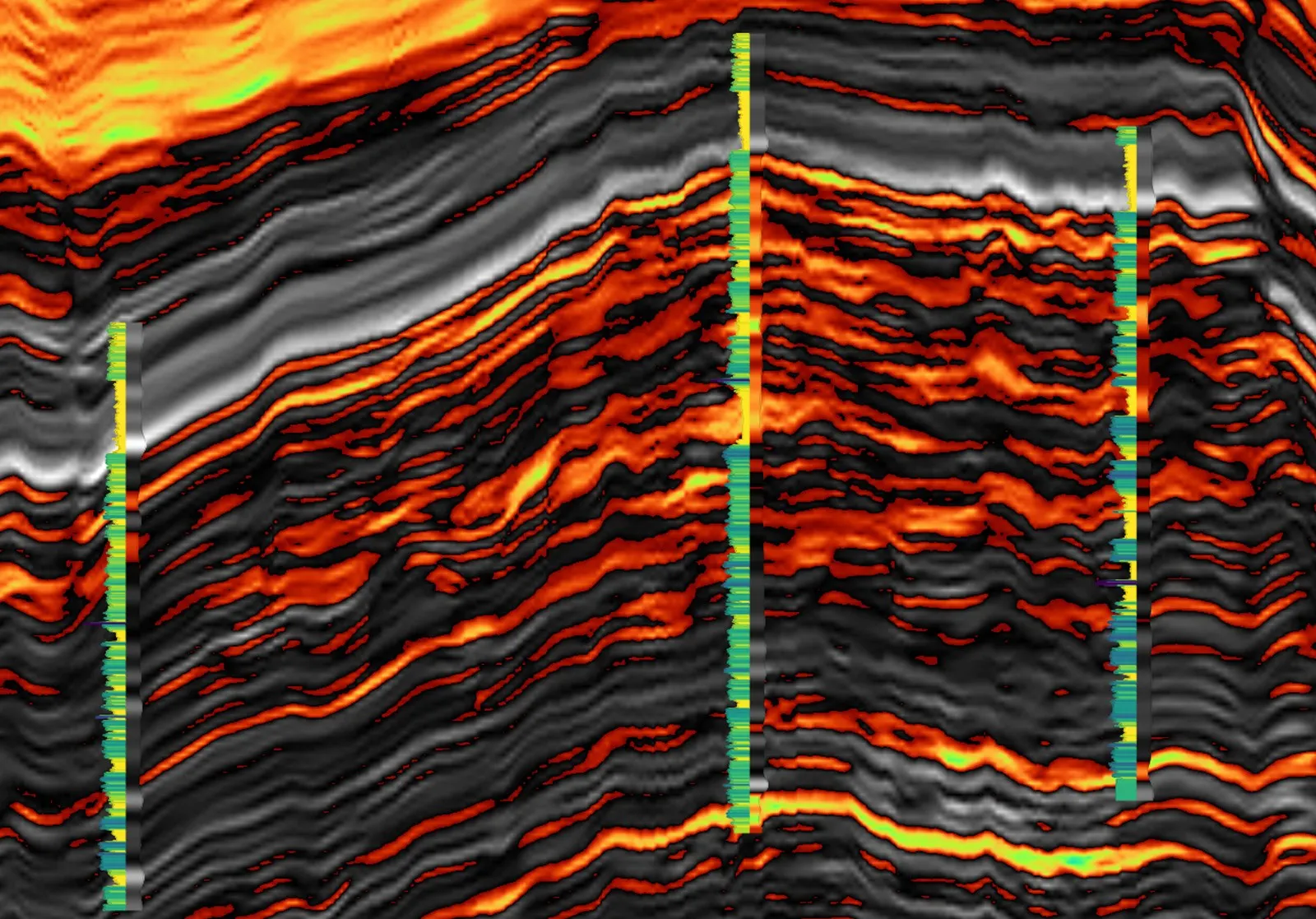
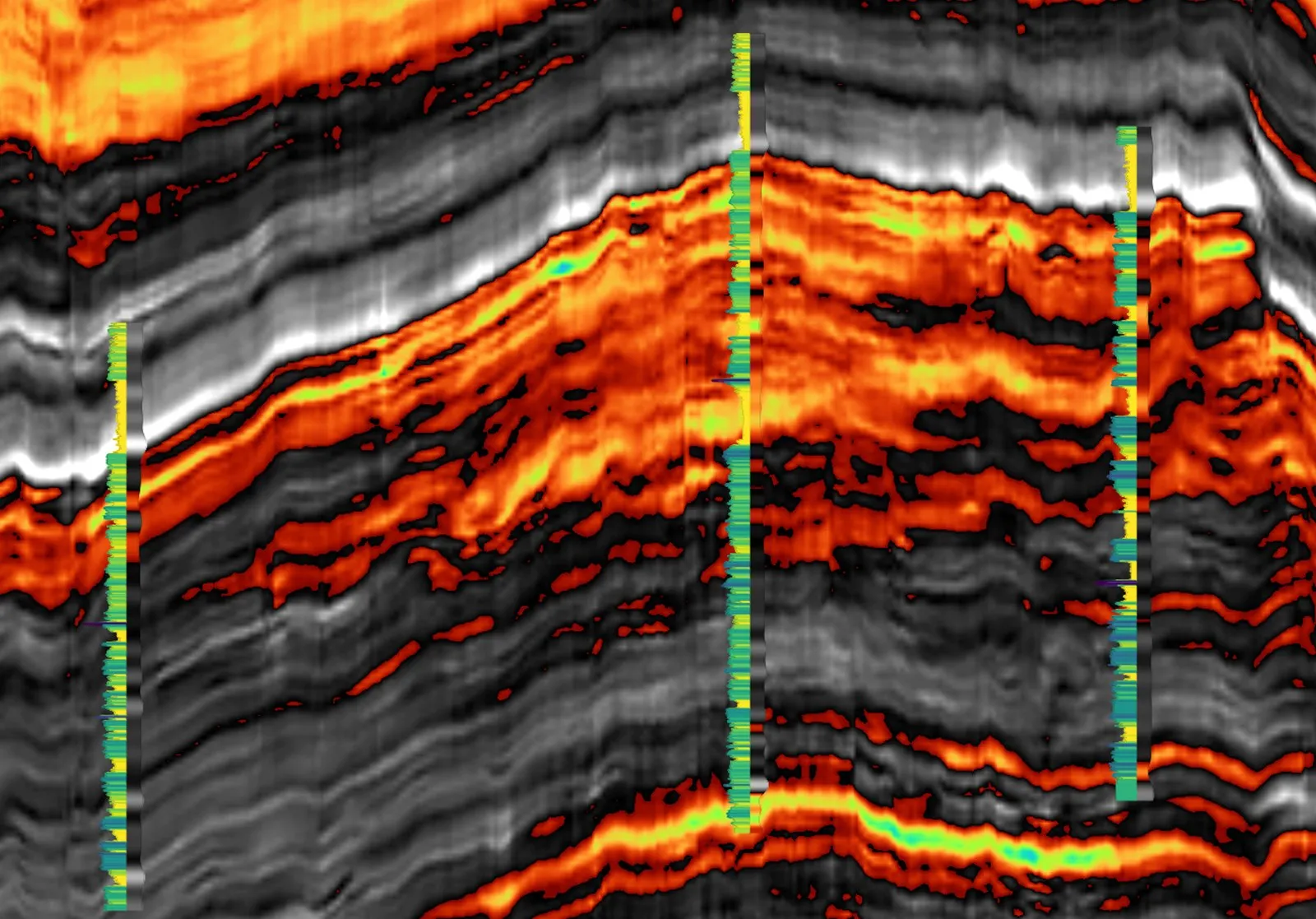
Super-resolution seismic inversion using deep learning
AI-powered inversion using DIME enhances seismic resolution and reveals thin-bed features at the Chandon Field, increasing information content by up to 5×.
 ProductStrike
How they fit together
One field, two workflows
Both studies start from the same kind of input and run on the same engine. One sharpens the seismic image; the other turns it into a super-resolution rock-property model.
Input
Chandon Field data
Seismic volumes and well logs

Engine
DIME
Deep Information Maximization Engine, with multi-band information injection from the wells


Your data, your case study
The study that matters most is the one on your own survey
Published results show what super-resolution does on someone else's field. A pilot shows what it does on yours, next to the interpretation your team already trusts.
-
Tell us what you need to resolve
Thin beds, faults or facies between the wells. A short call scopes the question, the survey and the wells.
-
Share a representative subset
A small part of a survey is enough to start. We arrange a secure transfer once we have spoken.
-
Judge the result yourself
Compare the super-resolution output with your current interpretation before you commit to anything more.
Standard lead times: Storm 3.0, 4 to 6 weeks. Strike, 3 to 4 weeks.
Full studies
Get the full studies by email
The complete write-up of each study is available as a PDF. Tell us where to send it and the Rezlytix team will email it to you.
- Choose one study or both
- Sent to your work email by our team
- Want to go through the results together? Book a demo
See results like these on your own data
Book a demo and our specialists will show what super-resolution can do on a small part of your survey, next to the interpretation you have today.